
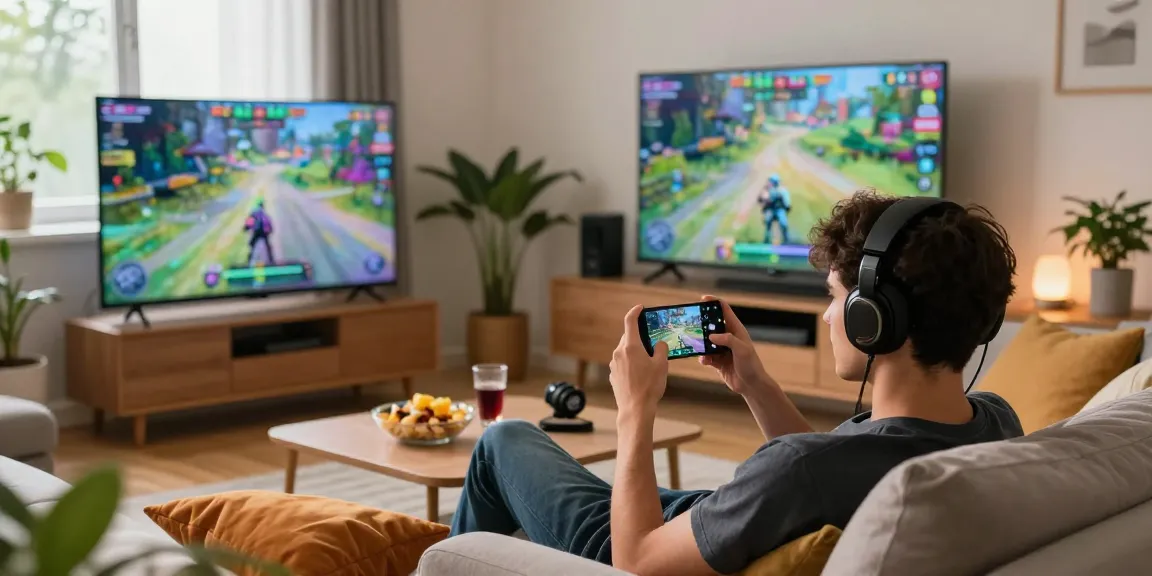
The Evolution of Mobile Games
Mobile games have come a long way since their inception, evolving from simple pixelated experiences to complex, immersive worlds that captivate millions. As technology advances, the mobile gaming landscape continuously transforms, offering players innovative ways to enjoy their favorite pastimes. The rise of smartphones has fundamentally changed how games are developed, distributed, and consumed. Today, mobile games integrate cutting-edge graphics, intricate storylines, and social interaction features that make them more engaging than ever.
History of Mobile Gaming Development
The journey of mobile gaming began in the late 1990s with simple games like Snake on Nokia phones. As mobile technology improved, so did gaming experiences. By the mid-2000s, the introduction of smartphones ushered in a new era, allowing developers to create more sophisticated games. Titles like Angry Birds and Candy Crush Saga took the world by storm, showcasing the potential of mobile platforms to host casual gaming experiences. As we moved into the 2010s, augmented reality (AR) games like Pokémon GO emerged, pushing the boundaries of mobile game design.
Technological Advances Influencing Mobile Games
Technological advancements have been pivotal in the evolution of mobile games. High-performance processors, advanced graphics capabilities, and improved battery life have enabled developers to create visually stunning and complex games. Additionally, the integration of 5G technology ensures faster download speeds and seamless multiplayer experiences, making it easier for players to connect with friends and compete globally.
Impact of Mobile Games on Entertainment Culture
Mobile games have not only changed how individuals play but also influenced broader entertainment culture. They have created a significant shift in social interaction, with many players using games as a way to forge connections. Mobile gaming events and esports have also gained popularity, further validating their place in today’s entertainment landscape. Moreover, mobile games frequently inspire movies, merchandise, and even music, blurring the lines between different entertainment mediums.
Popular Genres in Mobile Games
The diversity within mobile gaming genres caters to various player preferences, ensuring that everyone can find something that resonates with them. From action-packed adventures to casual puzzles, mobile games provide a vast range of options.
Action and Adventure Mobile Games
Action and adventure games dominate the mobile gaming scene, offering thrilling narratives and visually captivating experiences. Titles such as Genshin Impact and Call of Duty: Mobile blend stunning graphics with engaging gameplay, drawing players into their immersive worlds. These games often feature rich storylines, character development, and combat mechanics that keep players returning for more.
Strategy and Puzzle Mobile Games
Strategy and puzzle games like Clash of Clans and Monument Valley require players to think critically and solve problems, providing a different kind of challenge. These games emphasize strategic planning and resource management, often appealing to players who enjoy mental stimulation. The blend of creativity and strategy keeps these genres popular among casual and serious gamers alike.
Casual and Social Mobile Games
Casual and social games, such as Among Us and FarmVille, emphasize social interaction and cooperative play. These games often have simple mechanics, making them accessible to a broad audience. Players can easily engage with friends, fostering a sense of community through shared gameplay experiences. The rise of social media integration in mobile games has further enhanced their popularity, allowing players to share achievements and invite friends to join in the fun.
Evaluating Mobile Games’ Quality and Performance
With the vast array of mobile games available, players benefit from knowing how to evaluate quality and performance effectively. Understanding key metrics can help ensure a satisfying gaming experience.
Key Metrics for Assessing Mobile Game Quality
When evaluating a mobile game, several metrics can offer insights into its quality. These include graphics fidelity, user interface design, gameplay mechanics, and storytelling depth. High-quality games often feature polished graphics, intuitive controls, engaging gameplay, and compelling narratives that resonate with players.
User Experience and Gameplay Mechanics
User experience (UX) is crucial for mobile games, as a smooth and enjoyable interface can make or break a player’s enjoyment. Effective gameplay mechanics should be fun yet challenging, keeping players engaged without becoming overly frustrating. Developers must balance difficulty levels to cater to both new players and seasoned veterans.
Developer Reputation and Game Support
The reputation of the game developer plays a significant role in the perceived quality of a mobile game. Established developers are likely to offer better support, updates, and bug fixes, enhancing the overall user experience. Checking player reviews and ratings can provide insights into the developer’s track record and game support history.
Future Trends in Mobile Gaming for 2026
As we look ahead to 2026, several trends are shaping the future of mobile gaming. Understanding these trends can help players anticipate new developments and gaming experiences.
Emerging Technologies Shaping Mobile Gaming
The future of mobile gaming is closely linked to emerging technologies such as virtual reality (VR), augmented reality (AR), and artificial intelligence (AI). VR and AR technologies are increasingly being integrated into mobile games, providing players with immersive experiences that were previously unimaginable. AI-driven game mechanics can personalize gameplay, enhancing user engagement by adapting to individual player styles.
Social Interaction in Mobile Games
Social interaction is expected to play a more significant role in mobile gaming, with many developers focusing on creating games that encourage collaboration and community-building. Multiplayer experiences will continue to thrive, as players seek meaningful connections through gaming. The emphasis on social features will likely drive further integration with social media platforms.
Predicted User Preferences and Behavior Changes
As mobile gaming evolves, user preferences will adapt in tandem. Players are increasingly demanding more immersive and interactive experiences, pushing developers to innovate continuously. Additionally, trends indicate a growing preference for games that promote sustainability and social responsibility, driving choices in both gaming content and developer practices.
Tips for Choosing the Right Mobile Games
With countless mobile games available, finding the right fit for your preferences can be daunting. Here are some tips to streamline your decision-making process.
Identifying Your Gaming Preferences
Understanding your gaming preferences is essential. Consider what genres you enjoy the most, whether it’s action, puzzle, or social interaction. Taking time to reflect on your gaming history and interests will help narrow down your options.
Evaluating Game Features and Interactivity
When choosing a mobile game, evaluating its features and interactivity is crucial. Look for games that offer engaging gameplay, unique mechanics, and appealing graphics. Ensure the game aligns with your expectations concerning multiplayer aspects or solo play options.
Staying Updated with the Latest Releases and Reviews
The mobile gaming landscape evolves rapidly, making it important to stay updated with the latest releases and reviews. Following gaming blogs, forums, and social media groups can provide invaluable insights into new titles and community experiences. Additionally, user reviews can help identify potential drawbacks or highlights of a game you’re considering.
What are the top mobile games of 2026?
The top mobile games of 2026 are expected to include standout titles that leverage advanced technology and immersive storytelling. As developers innovate, players can anticipate exciting new releases that captivate audiences worldwide.
How can I improve my skills in mobile games?
Improving skills in mobile games often involves practice, understanding game mechanics, and learning from others. Engaging with online communities, watching tutorials, and collaborating with friends can enhance your gaming prowess.
Are there any mobile games suitable for all ages?
Many mobile games cater to diverse audiences, featuring family-friendly content that is enjoyable for players of all ages. Titles such as Minecraft and Animal Crossing: Pocket Camp are excellent examples of games that offer engaging experiences for everyone.
What platforms support mobile gaming?
While mobile games primarily target smartphones and tablets, many can also be played on Windows and MacOS through emulators. Popular platforms include Android and iOS, with many titles available directly through the App Store and Google Play Store.
How do mobile games compare with console and PC games?
Mobile games offer unique advantages, such as portability and accessibility, allowing players to enjoy gaming on the go. While console and PC games often feature superior graphics and more complex gameplay, mobile games have made significant strides in quality and innovation, providing satisfying experiences that are perfect for casual gaming sessions.